

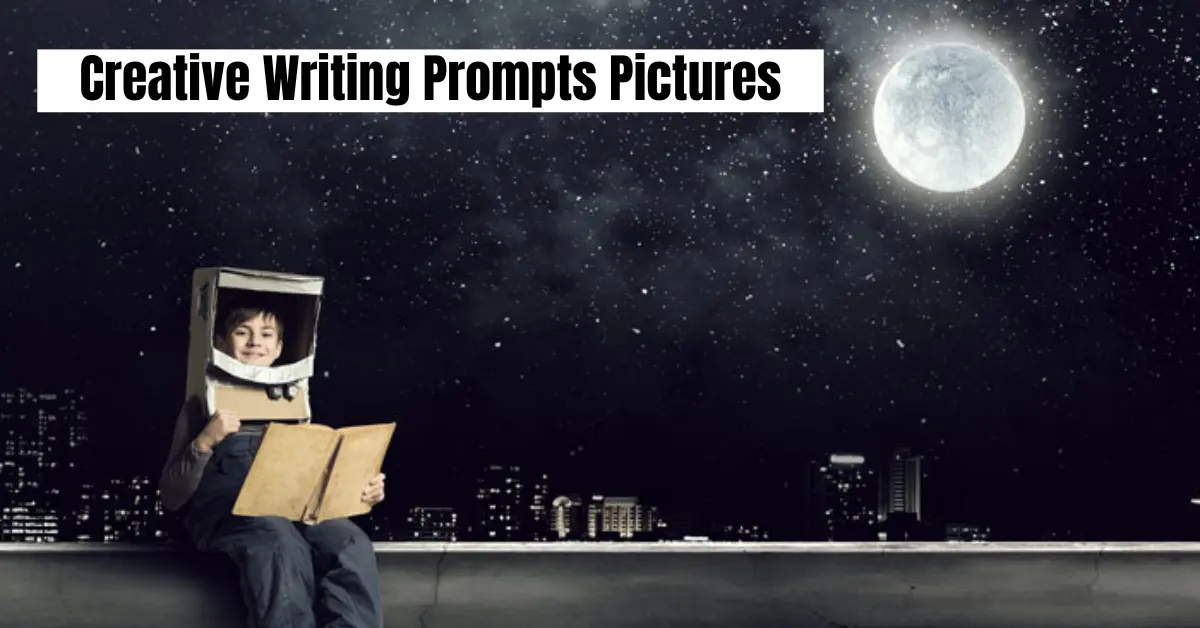
Have you ever looked at a single picture and instantly imagined an entire story behind it? A lonely road in the rain, a child holding an old letter, or an abandoned house hidden in the woods can awaken ideas that words alone sometimes cannot. That is the real magic of creative writing prompts pictures. They open the door to imagination, helping writers turn simple images into emotional stories, unforgettable characters, and exciting adventures.
For many writers, the hardest part is getting started. Writers block can make even the most creative minds feel stuck and frustrated. But visual inspiration often changes everything. A powerful image can spark curiosity, trigger emotions, and create endless storytelling possibilities within seconds.
In this guide, you will discover practical examples, inspiring prompt ideas, and effective ways to use picture based writing prompts to improve creativity, storytelling skills, and writing confidence. Whether you are a student, teacher, blogger, or aspiring author, these ideas will help you unlock fresh inspiration naturally.
Why Pictures Help Improve Creative Writing Skills
Pictures have a unique way of bringing stories to life before a single sentence is written. Unlike plain text prompts, images instantly create emotions, curiosity, and imagination. A single photograph can inspire hundreds of different story ideas because every writer sees something different within the same scene.
Pictures stimulate imagination faster than text
The human brain processes visuals much faster than words. When writers look at storytelling pictures, they immediately begin building characters, settings, emotions, and possible conflicts in their minds. This natural reaction makes visual writing prompts one of the easiest ways to generate fresh ideas quickly.
For example, a picture of a deserted carnival might inspire one writer to create a mystery story, while another may imagine a fantasy adventure or emotional drama. Images encourage limitless creativity because they leave room for interpretation.
Visual prompts help overcome writers block
Writers block often happens when there are too many ideas or no ideas at all. Looking at creative writing picture prompts removes pressure because the image already provides a starting point. Instead of struggling to invent a scene from nothing, writers can focus on exploring the details already in front of them.
Even experienced authors use photo writing prompts when they need inspiration or want to practice writing consistently. Visual exercises help restart creativity naturally without forcing the process.
Images encourage emotional storytelling
Strong stories connect with emotions, and pictures often capture emotional moments instantly. A facial expression, an empty street, or a forgotten object can make readers feel curiosity, sadness, fear, or excitement before the story even begins.
This emotional connection helps writers create more engaging narratives and realistic characters. Instead of simply describing events, writers learn how to communicate feelings and atmosphere more effectively.
Picture prompts improve descriptive writing
One of the biggest benefits of using images for creative writing is the improvement in descriptive skills. Writers begin paying attention to colors, textures, lighting, body language, and small background details they might normally ignore.
How to Use Creative Writing Prompts Pictures Effectively
Looking at an image is easy, but turning it into a compelling story requires imagination and structure. The best writers do more than describe what they see. They ask questions, explore emotions, and create situations that pull readers into the story. Using picture prompts correctly can transform simple ideas into powerful storytelling experiences.
Observe small details in the image
Start by studying the picture carefully. Notice the background, facial expressions, objects, weather, lighting, and even the smallest details. Sometimes the most interesting stories come from elements that other people overlook.
For example, a photo of a crowded street may contain one mysterious person standing alone. That single detail could become the center of an entire story.
Ask yourself:
- What stands out first?
- What feels unusual or hidden?
- What happened before this moment?
- What might happen next?
Careful observation helps writers create deeper and more believable scenes.
Ask questions about the scene
Every image contains unanswered questions, and those questions create story potential. Instead of only describing the picture, explore the mystery behind it.
A picture of an old suitcase beside an empty bench could raise questions like:
- Who left it there?
- Why was it abandoned?
- Is someone coming back for it?
- What secret is hidden inside?
Questions naturally lead to conflict, suspense, and emotional storytelling, which are essential parts of strong creative writing ideas.
Create characters and conflict
A good story needs more than a setting. It needs characters with goals, fears, and challenges. When using visual writing prompts, imagine who belongs in the image and what problem they are facing.
Conflict makes readers emotionally invested. Even a peaceful picture can hide tension beneath the surface. A smiling character may secretly be afraid, hiding something, or preparing for a difficult decision.
Try creating:
- A main character
- A motivation or goal
- An obstacle or conflict
- An emotional struggle
This approach instantly makes stories more engaging and realistic.
Write from different perspectives
One of the best ways to improve storytelling skills is to experiment with perspective. Instead of writing from the obvious point of view, explore the image through another character’s eyes.
For example:
- Write from the perspective of a stranger watching the scene
- Describe the moment from the villain’s point of view
- Tell the story through the eyes of an animal or child
- Imagine the thoughts of someone outside the frame
Changing perspective helps writers think creatively and produce more original narratives.
Set a timer for quick writing exercises
Many writers struggle because they overthink every sentence. Timed exercises help remove perfectionism and encourage natural creativity. Choose a picture prompt, set a timer for ten or fifteen minutes, and write continuously without editing.
This simple practice:
- Builds writing confidence
- Improves creativity
- Increases writing speed
- Reduces fear of mistakes
- Helps generate fresh story ideas quickly
Over time, these small exercises can dramatically improve imagination and storytelling ability.
Best Types of Creative Writing Prompts Pictures
Not every image inspires the same kind of story. Some pictures create mystery and suspense, while others spark emotional, adventurous, or imaginative ideas. Choosing the right type of visual prompt can make creative writing easier and far more engaging.
Here are some of the most effective types of creative writing picture prompts that help writers develop original and memorable stories.
Nature and landscape pictures
Nature images are perfect for creating vivid settings and emotional atmosphere. Mountains covered in fog, quiet forests, stormy oceans, or empty deserts can instantly inspire adventure, survival, fantasy, or reflective stories.
These pictures encourage descriptive writing because they contain rich details involving weather, colors, sounds, and movement. Writers can use natural landscapes to create peaceful scenes or dangerous situations depending on the mood of the image.
Mysterious abandoned places
Abandoned houses, empty hospitals, forgotten amusement parks, and ruined buildings naturally create curiosity. These images work especially well for mystery, horror, thriller, and suspense stories because they make readers ask questions immediately.
Writers often use these photo writing prompts to build tension and hidden backstories. A single broken window or dusty hallway can suggest years of secrets waiting to be discovered.
Fantasy inspired images
Fantasy visuals open endless possibilities for imagination. Pictures of magical forests, floating castles, glowing creatures, or futuristic worlds help writers step outside reality and create entirely new universes.
These imaginative writing prompts are excellent for:
- Fantasy stories
- Science fiction adventures
- Mythological tales
- Magical realism
- Epic world building
Fantasy images encourage writers to think creatively without limitations.
Historical scene pictures
Historical photographs and vintage scenes can inspire powerful storytelling based on different time periods. Old streets, wartime images, traditional clothing, or ancient buildings help writers imagine life in another era.
These visual prompts are useful for:
- Historical fiction
- Educational writing exercises
- Character driven narratives
- Cultural storytelling
Writers can explore how people lived, communicated, and survived during different moments in history.
Emotional human expressions
Pictures showing strong emotions often lead to the most personal and relatable stories. A smiling child, a worried parent, or someone standing alone in the rain can instantly create emotional depth.
These storytelling pictures help writers:
- Develop realistic characters
- Explore relationships
- Practice emotional dialogue
- Build empathy in storytelling
Emotion based prompts are especially effective for personal narratives and dramatic fiction.
Animal and wildlife photography
Animals can inspire creative and symbolic storytelling. A wolf staring into the forest, a bird trapped indoors, or a stray dog walking through empty streets can represent freedom, loneliness, survival, or adventure.
Writers may use these images for:
- Children’s stories
- Symbolic fiction
- Fantasy narratives
- Adventure tales
Animal centered prompts also encourage unique perspectives and imaginative thinking.
City and street photography
Busy streets, neon lights, crowded markets, and quiet alleyways create realistic environments full of life and movement. Urban images are excellent for modern storytelling because they reflect everyday experiences and human interaction.
These creative story prompts often inspire:
- Romance stories
- Crime fiction
- Coming of age narratives
- Realistic drama
- Contemporary adventures
Street photography captures emotion, culture, and hidden stories happening in ordinary places every day.
Conclusion
Creativity often begins with a single image. A quiet street, a mysterious face, or an unusual moment captured in time can spark ideas that grow into unforgettable stories. That is why creative writing prompts pictures have become such a powerful tool for students, teachers, bloggers, and professional writers alike.
Visual prompts make storytelling easier by helping writers overcome writers block, strengthen descriptive writing, and explore new perspectives naturally. They encourage imagination, emotional depth, and creative thinking in ways that traditional prompts sometimes cannot.
The best part is that there are no limits to what a picture can inspire. Two people can look at the same image and create completely different stories, each shaped by their own experiences and imagination. This freedom makes picture based writing exercises both exciting and highly effective for improving writing skills.
Whether you want to practice daily writing, create engaging classroom activities, or develop original story ideas, using creative writing prompts pictures can help unlock endless inspiration. The more you practice observing details and building stories from visuals, the stronger and more confident your writing will become.
